Snapchat has released the latest version of its



We Create Digital Solutions
8690 436 874 | 9227006011
Email: info@barodianadvertising.in
Barodian Advertising
Vadodara

The series of guides delve into comprehensions of the various facets of the LinkedIn platform and how marketers can use it to the maximum advantage. The guides are available free of cost.
Here is the breakdown of objectives one may pursue with the help of each guide:
Each guide would explain how one gradually progresses towards an objective. For instance, defining objectives, precise targeting, choosing the right format mix, and monitoring the right metrics.
The guides are packed with statistics and data to spell out the significance of a tactic. Analysis of campaigns that have worked in the past, similar to the case study format, that dissect the challenges, solutions, and results, are also an integral part of the guide.
Marketers can also get a gist of optimized use of LinkedIn features, and use case scenarios to pursue the desired objectives such as establishing an organic presence, garnering higher engagement, and more.

Needless to say, #Covid19 dominated this year with people on Twitter, seeking reliable information, connecting with experts, and following what was happening in real-time in India.
The conversations on the service revolved around multiple Coronavirus-related topics, including the critical need to #WearAMask. This year also brought a sense of gratitude for our frontline workers. Tweets expressing being grateful or thankful increased by 20% globally, with particular recognition of doctors (+135%) and teachers (+30%).
Beyond #Covid19, fans paid tribute to #SushantSinghRajput and his career and denounced the alleged rape of a young Dalit woman in #Hathras. People talked about movements taking place across the country, lending their voices to #StudentLivesMatter, #ShaheenBagh, and #FarmersProtest, making those the most Tweeted about people’s movements this year.
In a time where everyone sought to be entertained on the internet, Twitter was the go-to destination for sports chatter with #IPL2020, #WhistlePodu and #TeamIndia becoming the most Tweeted hashtags in sports.
Movies and TV were no less. Globally, there were more than 7,000 Tweets per minute about TV and movies this year. In India, Hindi film #DilBechara, Tamil film #SooraraiPottru, and Telugu film #SarileruNeekevvaru were the most Tweeted about films to release this year, and people took a minute to laugh at the relatability of #Binod, making it the most Tweeted meme.
People connected virtually and yet, more intimately. From re-discovering interests such as #Photography, #Yoga, and #Poetry, to throwing back to a different time and getting nostalgic with conversations about #Ramayan, #Pokiri, and #Mahabaharat, audiences took to the service giving rise to diverse conversations from the tedious to the unexpected.
Talking about how Indians used Twitter this year, Manish Maheshwari, Managing Director, Twitter India said, “Being the year it has been, conversation on Twitter in 2020 was unique. From the fight against this global pandemic, rejoicing in celebratory moments, standing up for those communities impacted by the pandemic, to bonding over rediscovered shows, interests, and memes, India came together beautifully on Twitter this year. In 2021, while the nation bounces back, we hope to continue giving everyone a voice and provide a service to stay virtually engaged with what’s happening in the country and the world.”
Here is a look at the Golden Tweets of 2020, Tweets that became the most Retweeted, Liked, and Quoted Tweets on the service. From Vijay’s connection with his fans, Virat Kohli and Anushka Sharma’s celebratory news, Ratan Tata’s Tweet pledging support to impacted communities, to Amitabh Bachchan’s Tweet about COVID-19, each of the Golden Tweets reflect what Indians loved talking about in 2020.
*Methodology: Identified based on the total number of Retweets / Likes / Quote Tweets by Twitter accounts in India between Jan 1 to Nov 15, 2020.
Most Retweeted Tweet
Vijay’s selfie with his fans from February 2020, celebrated the strong connection that Tamil stars have with their community on Twitter.
Vijay’s Tweet of a selfie with his fans in Neyveli in February was widely loved and shared by fans of Tamil cinema across the country. Over the years, film fans from Tamil cinema have actively taken to Twitter to show their love and support for their favorite superstars and Tweet about what’s happening in the world of entertainment. 2020 was no different.
Most Retweeted Tweet in Politics
Prime Minister Narendra Modi Tweeted about lighting lamps of hope and good health during the COVID-19 pandemic.
During his ‘9 PM-9 Mins’ public address, Prime Minister Narendra Modi requested the people of India to light lamps from the safety of their homes as a symbolic gesture of solidarity towards one other. This Tweet became the most Retweeted Tweet by a politician.
Most Retweeted Tweet in Sports
MS Dhoni expressed appreciation for Prime Minister Narendra Modi’s letter.
Cricketer MS Dhoni shared his gratitude on Twitter, thanking Prime Minister Modi for sending him a letter that appreciated his achievements and contribution to cricket in India. The Tweet was met with applause from sports fans across the nation making it the most Retweeted Tweet by an athlete.
Most Retweeted Tweet in Business
Ratan Tata pledged support to communities affected by COVID-19.
Business tycoon Ratan Tata, Chairman, Tata Trusts, announced a commitment of 500 crore rupees on behalf of the company towards protecting and empowering communities affected by the pandemic. The initiative was widely appreciated and served as a reminder to every Indian to stay united in the fight against COVID-19.
Most Liked Tweet
Virat Kohli Tweeted about Anushka Sharma’s pregnancy, giving Indians a reason to celebrate.
Virat Kohli’s Tweet that announced Anushka Sharma’s pregnancy became the ‘Most Liked Tweet of 2020’ as people across India shared their love and wishes with the couple. Anushka Sharma’s Tweet celebrating the same news was also in the top 5 most Liked Tweets of the year.
Most Quoted Tweet
Amitabh Bachchan shared his diagnosis of COVID-19 and spread awareness about the virus.
On testing COVID-19 positive, Amitabh Bachchan took to the service to share his news. He also requested people who had been in close proximity to him to get tested, spreading awareness about the virus and shared measures to be taken in case of exposure. Those that Quote-Tweeted his Tweet wished him a speedy recovery and encouraged people to stay safe, wash their hands, and wear their masks.
Hashtags take conversations across timelines. These were the most Tweeted Hashtags across different interest areas in 2020.
*Methodology: Ranked by number of total Tweets by unique authors using this hashtag on Twitter in India from Jan 1 to Nov 15, 2020.
Current Affairs and People’s Movements
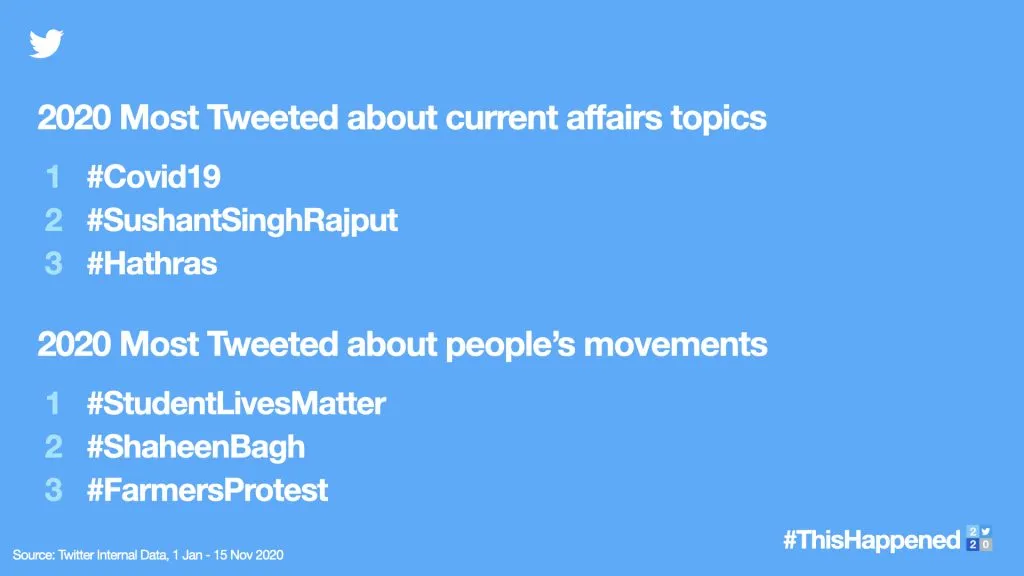
Most Tweeted about current affairs topics
Most Tweeted about people’s movements
Sports & Movies

Most Tweeted sports hashtags:
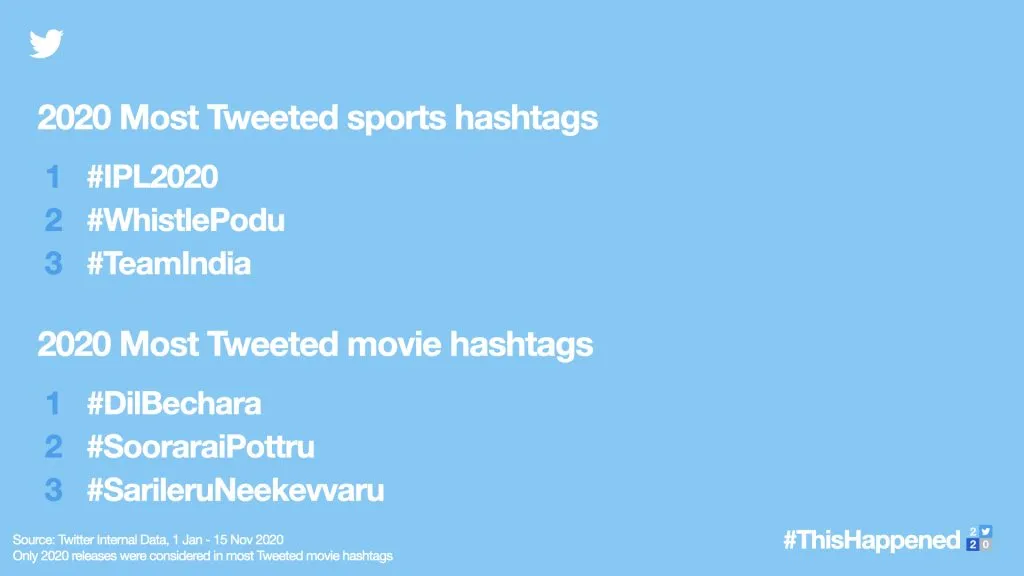
Most Tweeted movies hashtags: These were the most Tweeted Indian movies that released in 2020
Nostalgia and Interests
Most Tweeted hashtags related to nostalgia
Most Tweeted about interests
Most Tweeted meme
Twitter is fun and memes are at the heart of its humor. A mention of “Binod” in a video by Slayy Point set off the meme, which took over the service.
Creators, brands, and even the police jumped in on the conversation, changing their profile names and Tweeting videos and pictures. There was a lot of conversation about “Who is Binod?”, but it was clear #Binod was everywhere, securing its spot as the most Tweeted meme on Twitter in India this year.
Content Credit : Social Samosa
As a realtor, you may have experienced a major shift in the last ten years. Clients are beginning to buy houses in a different way, often beginning with online market research and a clear vision of precisely what they want out of their future home.
For best-in-class realtors, digital marketing has come to the forefront of their marketing efforts. From generating new leads to completing successful sales, the real estate industry is now reliant on digital marketing.
Social media was one of the first game changes for realtors seeking ways to get noticed online. From purchasing Facebook Business Ads to sharing photo albums of new listings, various social media platforms allowed real estate professionals to build a brand and a booming business.
With 84% of real estate professionals using social media platforms, how can modern real estate brokerages and realtors in the United States further differentiate themselves in a saturated market? Your digital marketing strategy can have a much greater impact than traditional marketing strategies.
To jump-start your real estate digital marketing strategy, use the following 8 tips and tricks to get the results you’re seeking:


No matter the industry, an email nurture campaign is a valuable tool in connecting with new leads and staying relevant with past clients. Ideally, a well-rounded campaign will funnel potential clients through predetermined actions based on their buyer profile and previous engagements with you.
According to Smart Insights, the average open rate of emails for real estate businesses is around 27% with a click-through rate (CTR) of 3%. However, the more relevant your content is to a client, the more likely they will be interested in opening the email to see what you have to say.
How many times have you opened a website only to close it because it wouldn’t load fast enough? With so many photos and links, realtor websites can sometimes be a web developer’s nightmare. However, with the help of a professional web designer and a knowledge of what your clients are looking for, real estate professionals can develop a responsive website that is optimized for mobile browsing.
Almost half of all web browsing is completed on a mobile device, so if your website is not designed to be responsive, your clients will not be able to browse your site comfortably. Your mobile-friendly website should include the following content in order to give your clients the best experience:
In addition, consider implementing a live chat feature on your website. Your real estate business is extremely people-centric, meaning that it’s important to be available when they need to ask questions. Investing in a live chat software allows people to connect 24/7 and schedule appointments without necessarily speaking directly to you.

Pay-Per-Click – also known as PPC – advertising is an excellent strategy for realtors looking to generate new leads based on ads that they pay for every time the ad gets clicked on.
PPC is a great digital marketing option for real estate professionals seeking potential clients who may genuinely be interested in their offering, as they only pay when someone clicks through their ad.
Often, PPC ads can be targeted toward individuals who have searched for correlated keywords in Google or another search engine.
Responsive websites that have a blog often have 434% more indexed pages, helping real estate professionals achieve better SEO.
A blog is a fantastic way to level-up your SEO, build a positive reputation online, and provide your clients with actionable advice on buying or selling a home or piece of property. A real estate professional’s digital marketing strategy is nothing without valuable content, whether it’s shared on your website or social media.
In addition to your responsive website, make sure that you regularly write content that buyers and sellers can come back to for answers to their most pressing real estate questions.
Virtual tours of a home are incredible pieces of content in a successful digital marketing strategy. Not only do these tours share video content – which generates revenue 49% faster for marketers than non-video users – but a potential client can get an idea of what a home really has to offer them.
Purchasing a home can be difficult, and as a real estate expert, your job is to make the home buying journey as easy as possible for your clients. Andrew J Carr shared some of the more critical qualities realtors should try to include in successful virtual tours, such as:

It’s one thing to post real estate-related content on your Facebook account every once in a while, but a full-fledged social media marketing strategy is what truly yields the results you’re looking for. Some ideas of useful content to post on your social media channels include:
If you’re experienced in digital marketing, you may realize just how difficult it can be to create a social media strategy and to post regularly across all channels. However, tools like Buffer are designed to help make social media content development and scheduling simple and clear.
The most important rule of thumb for developing a social media strategy for your real estate business is to share varied content. Although sharing listings is an important factor of your digital strategy, you want to make sure that your content is useful for a broad audience, not just leads in the market for a new home.

Sharing all your expertise as a real estate professional is vital for successful digital marketing. Thankfully, techniques such as webinars and online workshops make it easy to reach a large audience and stay relevant in the industry.
GoToWebinar is a webinar hosting tool designed to make creating and hosting webinar events easy, and it is extremely user-friendly from both ends of the operation.
Digital marketing for real estate professionals relies highly on generating inbound leads, so getting your name and expertise out there is vital for a successful digital marketing campaign.
SEO, or search engine optimization, is a critical technique to drive leads to your website. When done correctly, your website and web pages will show up higher on search engine results pages (SERPs) during relevant searches.
However, Google and other search engines are constantly changing their algorithms, so it’s critical to focus on your SEO more than one time. Keywords are a basic aspect of SEO that can make a significant difference. To include keywords in your SEO strategy, make sure that you include high-ranking keywords such as your location and your industry throughout your blog content and website.There are other elements of a strong SEO strategy, including:
Because content is such a valuable asset to a good SEO strategy, make sure that you update your blog regularly. Typically, the material that is ranked highest on Google is between 1,140 words and 1,285 words, so it may be a good idea to write high-value, long-form content on a regular basis.
Develop buyer profiles: Buyer profiles are the ideal clients that you are trying to target through your content. From new homeowners to existing agents, take time to map out who your audience is, what they do, their average salary, and other characteristics that might impact their decision-making processes.
Start posting relevant content: Whether it’s from your blog or another trusted real estate professional in your brokerage, high-value content is what attracts readers and builds your reputation for being a well-informed expert online. Try to update your company blog once a week, and include valuable content for a variety of buyer profiles.
Work on improving your SEO: Increasing your rankings on the search engine results pages of sites like Google and Bing isn’t as hard as you may think. Take a couple of minutes weekly to review popular and industry-related keywords on Google Ads and make sure to include them throughout any copy you develop.
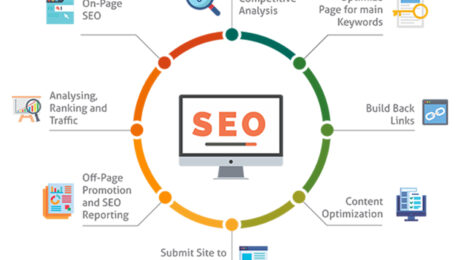
Want to know all of the benefits of SEO?
This list of SEO benefits will blow your mind. You will be thankful you read this.
Every business needs to invest in search engine optimization. Search engine optimization is the process of optimizing your website to maximize organic traffic from search engines. The leading search engines are Google, YouTube, Bing, and Yahoo.
This blog is a warning to everyone that does not have an effective SEO strategy. You are making a huge mistake by not leveraging all of the below SEO benefits.
You are losing money every day your website is not optimized in the search engines.
Here’s why.
1. There are people searching for your products or services on search engines
There are over 2 billion people online. 93% of online activities start on a search engine. There are 40,000 searches every second, and 3.5 billion searches per day. There are millions of opportunities for your business to become found on search engines. One of the most important benefits of SEO is that your customers are using search engines daily.
2. SEO pulls-in quality traffic
Traffic on search engines is the best traffic. Why? Because people are actually searching for the problem you solve. You can “pull” traffic to your business. You do not have to “push” out advertisements to persuade people to buy. Search traffic is already interested in your products and services. This is why the SEO industry is worth $65 billion.
3. SEO traffic is more likely to convert
SEO traffic is more likely to convert than other sources of traffic. In fact, search traffic has the best conversion rates for most websites. By positioning yourself on search engines, you are positioning your business to win more conversions.
4. SEO increases sales and leads
SEO is not a myth. You will increase your leads and sales if you offer a viable product or service. One small business generated over $103,510.98 worth of SEO results in just 5 months.
However, you must invest in the best SEO strategy. With a winning SEO campaign, your business will be on it’s way to higher conversions.
5. SEO can decrease your cost per acquisition
Another benefit of SEO is that it is “free”. It is far less expensive than advertising to acquire customers. The only costs in SEO are the costs to hire the best SEO company. Unless you have experience in website coding and Google algorithms, you will need an SEO firm or agency to grow your rankings and reap the benefits of SEO.
6. SEO does not involve any paid advertising
You do not have to advertise if you have strong SEO standings. You can increase your website traffic without having to pay per click. An effective SEO strategy can help you scale back your advertising dollars, and invest it in more efficient areas.
7. Top SEO rankings provides 24/7 promotion
SEO is 24/7. It does not sleep. Yes, that’s another one of the benefits of SEO. Your rankings do not disappear overnight. You can increase your website traffic all day, every day. Once you rank high in search engines, they will promote your business while you are sleeping.
8. SEO builds trust and credibility
People trust Google. They use it every day to find what they are looking for. By ranking high on search engines, your business will build trust and credibility with your audience. In fact, 37% of search engine clicks are on the first organic listing.
9. SEO is a long-term strategy
SEO is a long-term strategy. It can take 6-12 months to see optimal rankings. However, just as it takes time to move up the rankings, it takes time to move down the rankings. Once you are placed in top positions, you rarely move down. The only reason this would change is due to rising SEO competition or changes in Google algorithm.
10. SEO makes your customers more informed
Your customers are using search engines to research. They use their findings to help them make informed decisions on available options. High SEO rankings allows you to educate potential customers. This indirectly builds trust, but most importantly helps them make an informed decision.
11. SEO influences purchasing decisions
SEO significantly influences purchasing decisions. This is because of the developed trust and credibility mentioned in our prior points. Use SEO to improve your conversions by significantly influencing the purchasing decisions of those on the web.
12. SEO increases your brand awareness and equity
Conversions aside, SEO will also build your brand equity. In other words, SEO will help people become aware of your brand. Awareness is important because your website visitors may not always be ready to purchase. However, by being aware of your offerings, they may purchase in the near future.
13. SEO increases customer attribution or “touches”
While your awareness is increasing, SEO will simultaneously increase your customer attribution points. Attribution is the amount of times your audience sees your brand. The more times they see your business, the more likely they are to purchase from your business. Strong SEO rankings will help you dramatically increase your touch points with potential buyers.
14. SEO receives 90% more clicks than PPC
SEO trumps paid advertising. This is because organic SEO listings receive 90% of clicks. Many users of search engines tend to skip paid advertisements. This is most likely due to their trust in Google’s algorithm. By investing in SEO, you will likely gain more traffic than the advertisers on the same keywords.
15. SEO can increase your website referrals
One of the benefits of SEO is that it will increase your website referrals. You will gain more website referrals from search engines. In addition, your website visitors are likely to refer your website to their friends. A strong SEO presence will you grow referrals, literally and figuratively!
16. SEO is measurable
benefits of SEO rank
SEO is measurable. You can measure your conversions and the source of conversions. You can also measure the progression of your website rankings and organic traffic. With the right tools (or an SEO company), you will be able to measure which search keywords are the most valuable to your business.
17. SEO drives offline sales
Do your customers do research online before visiting your store? Of course they do! Because most people do their research online, SEO also drives offline sales. This is because they are using search engines to do their research, but may visit your store or make a phone call to actually buy your products. Therefore, SEO is a major contributor to driving offline sales.
18. SEO is more cost-effective than paid advertising
This is a no-brainer. SEO is more cost-effective than paid advertising. In fact, the average CPC (Cost Per Click) considering all the industries is $2.32. Why spend money for a page to be seen when you can work your way up in the organic search results by using effective SEO?
Once you rank high on search engines, you do not have to pay for clicks from search engines. And you will no longer have to worry about your PPC budget. Pause your PPC advertising campaigns and let #1 SEO rankings drive more results.
19. Your competitors are using SEO to grow
Kill or be killed. Your customers start their internet journey with a search. Your competitors are using search to grow their business. In fact based on a recent study, 61% of these marketers stated that optimizing their website is their top priority.
Sooner or later, if you are not using search to grow your business, you will not have a business!
20. SEO can give smaller businesses an edge on larger companies
If you operate a small business, you may find that it is tough to outspend larger competitors in AdWords. However, an effective SEO strategy may be your way to gain higher rankings. While larger companies rely on advertising, you can rely on a savvy SEO strategy to go in the back door to acquire customers.
21. SEO will help you gain market share
Gain market share by being first. If you are the first option, your customers will never know about the hundreds of alternatives. Unless, they scroll to page 10 of Google. However, we know that will not happen. Why? Because 75% of users never scroll past the first page of search results.
22. SEO will help you break into new markets
SEO will help you break into new markets. Once your website is optimized, you can begin to expand your website to target other keywords. The keywords you choose can be new products or services you could offer. You can count on the search engines to drive qualified traffic to your new offerings, helping you enter new markets.
23. SEO increases the value of your business
Another one of the most notable benefits of SEO is the fact that your business becomes more valuable as your SEO rankings rise. If you are in the market to sell your business, many buyers will find strong SEO rankings as a valuable intangible asset. This is likely because SEO rankings tend to hold its value and sustain over the years.
24. SEO integrates all of your online marketing activities
SEO is online marketing. All online marketing activities in some way can attribute to your SEO rankings. Web design, content marketing, social media marketing services, and online advertising influences SEO. When all activities are integrated, your SEO rankings.
25. SEO improves your overall marketing ROI
As previously stated, an integrated marketing campaign will influence SEO rankings. Not only does this influence your SEO rankings, but your overall ROI from all of your marketing activities will be higher.
According to latest studies conducted, it shows that organic traffic can result to more than 40% of business revenue. And also, local searches has over 18% of purchase made within that day. This will be explained in more detail in the next points below.
26. SEO is the best PR strategy
SEO is the new “PR” strategy. It makes PR make sense. In order to rank high in search engines, you must have quality backlinks. Backlinks are links from external websites that link to your website. The more you have, the more relevant your website is. The more relevant your website is, the higher you rank. Acquiring quality backlinks may require publicity. The more publicity you have, the more backlink opportunities you may have. The two works hand-in-hand.
27. SEO will increase your social media followers
SEO will add-on more social media followers. As your visitors are researching your website, they are likely to click your social media icons to follow you. An effective SEO campaign will generate thousands of website visitors, which you can expect to translate into a smaller percentage of followers.
28. SEO will increase your email newsletter subscribers
benefits of SEO increase email subscribers
One of the benefits of SEO that you probably want to achieve is increasing your email newsletter subscribers. If you have an email newsletter signup form on your website, you can expect more subscribers as your rankings rise. This is because you are gaining more traffic to your website, and more exposure. For optimal results, provide an incentive on your website for people who subscribes to your email newsletter.
29. SEO will increase your blog traffic
SEO will increase your blog traffic. As your website’s authority rises with search engines, a few things will happen. Your blog’s individual ranking in Google will rise. Your blog content is more likely to be found on Google. And lastly, you will likely gain more referral traffic from your website by promoting your blog throughout your website.
30. SEO improves your website’s click-through-rate
High SEO rankings will improve your website’s click-through-rate. Or, vice versa. You must have a high click-through-rate to improve your SEO. Click-through-rate is the amount of people who click your website divided by the amount of people you reached.
31. SEO improves your website’s time-on-site
As your click-through-rate rises, your website’s time-on-site will likely increase as well. This is how long your website visitors are staying on your website. The longer your visitors stay on your website, the more likely they are to buy. Additionally, it will boost your SEO rankings as well.
32. SEO improves the safety and security of your website
SEO will force you make your website safe and secure. This will protect your website visitors from viruses and fraud. Simultaneously, it will boost your rankings as secure websites will significantly influence your SEO rankings.
33. SEO improves the speed of your website
As you are working on growing your website’s SEO, you will improve the speed of your site. High-speed websites will help you offer the best user experience to your visitors. In addition, high SEO rankings will also correspond with higher-speed websites.
34. SEO will improve the user experience of your website
As you can tell from the last few points, SEO will improve the overall user experience of your website. It is important that you keep in mind that Google’s goal is to provide relevance to their users. To rank high in Google, your website must be relevant. In order to be relevant, you will have to offer a great user experience
35. SEO is growing
SEO spending is forecasted to increase to $80 billion by 2020. SEO spending is likely to be higher than online advertising spending. SEO is growing for one reason. It works. Your business has an opportunity to jump on the SEO bandwagon before it becomes too saturated.
36. SEO is mobile
Mobile is the future of online. And, 50% of all Internet users are mobile. This is likely to continue to increase. By optimizing your website for SEO, you are also preparing yourself for the next generation of marketing. Your website must be mobile-friendly. And, search engines will favor your website for optimizing your site for mobile.
37. SEO will help you stand out
There are 250 million websites on the Internet. The average person will never know what most of the Internet has to offer. Higher SEO rankings will help you stand out from the millions of other websites.
38. SEO is laser-targeted
SEO is keyword-based. This means that listings appear based on the keywords people search for. The advantage here is for you to reach people who are looking for exactly what your business offers. The keyword targeting ability of SEO is one of the primarily reasons why it delivers the most qualified traffic to your website.
39. SEO traffic is the real deal
SEO traffic is the real deal. The people visiting your website are not coming for fun. They are in actionable pain. They have real problems. They are looking for answers, and they clicked your website because they think you can find it with your business. And this is one of the benefits of SEO. As long as you add value, and understand your customers, you will have much success with SEO.
40. SEO rankings last forever
Okay, not really. But honestly, it is extremely hard to screw up SEO rankings. You will likely remain in top positions, unless you use black-hat SEO practices. Black-hat SEO practices consist of frowned-upon tactics to trick search engines to rank your website. However, you are not going to have to worry about this. Why? Because you are going to use a trusted SEO company. Once you attain top placement, it is time to celebrate! Or, begin expanding to other keywords.
41. SEO can eliminate cold-calling and other traditional strategies
Tired of passing out flyers? Tired of advertising in magazines and not seeing results? Tired of cold calling people and bothering people who will never want to buy from you? If your answer is yes, invest in SEO.
42. SEO can double, triple, or quadruple your business
SEO can literally double, triple, or quadruple your business. SEO exposes you to the entire market of individuals searching for you. You can expand in more cities, states, nations, or other parts of the world with an effective SEO strategy. The world becomes your marketplace with an effective SEO strategy.
43. SEO can help you attract talent
SEO can help you attract talent. People looking for work also start their journey on Google. You can optimize your website to rank on Google for the positions you are hiring for. Avoid recruiting fees and acquisition costs by investing into a SEO strategy.
44. SEO is Affordable
SEO is more affordable than advertising to increase your conversions. SEO pricing typically ranges from $800-$2000 per month. However, the return is invaluable. Once you rank #1 on Google, your website will receive thousands of free hits to your website.
45. SEO is the smartest marketing investment you can make
The benefits of SEO are endless. SEO is the smartest marketing investment you can make. It is a long-term asset to your business. It generates traffic, leads, and sales. It does not require any advertising. Your customers are searching on it right now. And, one of your competitors are growing your business significantly from it. If you want to grow your business without cold calling, networking, or other forms of “push” advertising, invest into a SEO campaign today.
This B2B social media marketing guide is what you need to grow your brand.
Social media has always been seen as the playground for B2C companies. While it’s true that many of the top brands leveraging social media operate in the B2C segment (such as Nike, Starbucks, and Applebee’s), it doesn’t mean that B2B companies don’t have a place in the social media arena.
There are companies of all sizes that have already tasted success with B2B social media marketing, and continue to grow as a result of tapping into the major social networks for more customers.
B2B Social Media Marketing
However, it’s easy to find a travel company making the most of Twitter or Facebook in terms of marketing and customer service, but what about a residential management company? Or a trade staffing agency? Or a PR firm? Take any B2B business that you can think of, the question is, can it successfully tap into the world of social media and grow as much as a B2C company?
The answer is a definite yes. If you look around, you’ll find hardcore B2B companies killing it on social media. Whether it’s IBM on Twitter, Cisco on Instagram or Intel on Facebook.
The problem that many B2B companies often face is: a lack of knowledge and an awareness of social media. Many of them still believe social media is not for them, which is costing them sales. Or they don’t have the right staff/resources to run their social media campaigns. That’s where our social media experts at Barodian Advertising come in. We completely create, schedule, run, and monitor your social media so you never have to lift a finger – all while seeing great results! Contact us today if you’d like to get started.
It’s important to keep in mind that if a B2C company that sells fashion products can use social media to market its products, then a B2B company dealing in office supplies has an equal shot at it. But in order to see real-world results, such companies need to embrace B2B social media marketing with full throttle. And stop relying solely on old-age marketing tactics such as attending networking events, cold calling and direct mail.
Getting great results with B2B social media marketing is not rocket science. In fact, it can be as effective as B2C social media marketing, as long as the fundamental goals are not ignored.
Any B2B company can grow awareness about its products and build a stronger brand by strategically leveraging popular social media platforms such as LinkedIn, Twitter and Facebook.
So if you think it won’t work for your B2B company, then think again. By not jumping on the social media bandwagon, you are in fact leaving money on the table.
B2B Social Media Marketing
Omobono, a global B2B creative and technology agency, conducted research that found B2B marketers can see real results with social media. And if done right, B2B social media marketing can prove to be the best marketing technique to promote their products and services.
Omobono basically surveyed 115 marketing experts working in B2B companies and found that a whopping 79% of them felt social media is the most effective channel for marketing. What’s more, 38% of them said if they had access to extra budget for the coming year, they would want to invest it into B2B social media marketing.
B2B Social Media Marketing
Even though data shows that B2B companies are eagerly investing in social media, there is a need to focus on increasing revenue.
While there is no doubt that social media is a powerful marketing method, it has to be done effectively to achieve a high return on investment.
For successful social media marketing, a B2B company needs to take a strategic approach and execute their campaign with precision.
Below we’ve outlined three steps that are crucial to create a profitable B2B social media marketing campaign.
How to Create an Effective Social Media Marketing Campaign
Step #1: Define Your Marketing Objectives
Without defining the right objectives, you’ll find it difficult to make your B2B social media marketing campaign profitable. Why? Because your return on investment depends on setting marketing goals that contribute to your company’s overall growth.
Having measurable goals that are relevant to your big or small business will help you create a winning B2B social media marketing strategy. You need to ensure that each goal you set is smart and measurable in nature so that gauging success becomes simpler, and more scientific. Venngage does an excellent job outlining how to do this in your social media plan.
Every decision that your company makes towards getting more prospects and converting them into customers should reflect these goals. And more importantly, how you plan to achieve them.
B2B Social Media Marketing
Also, companies using B2B social media marketing need to realize the importance of gaining visibility in the competitive social landscape. Social news feeds today are crowded, and your company has to stand out of the crowd without losing focus of its core objectives.
Let’s look into a few objectives that you can consider for your B2B marketing company.
It’s a fact that B2B companies operate differently than B2C companies in more than one way. The techniques that work well for a B2C firm, may not be that viable for a B2B business.
For instance, B2B clients are known to make bigger investments, which brings down their chances of impulse buying. So if your B2B company wants to leverage social media for marketing, it makes sense to do so for lead generation rather than sales.
If you’re a business that thinks long-term, and if you truly want to get a healthy ROI from social media, then your top priority could be about generating new, quality leads. Above all, each lead that you generate via social media gives you the confidence and direction to gain even more leads in the future.
Studies have shown that any businesses (B2B or B2C) that uses social media to generate leads can be in the position to earn 24% more revenue. Whether you choose to use LinkedIn for generating leads or Twitter, depends on the kind of business you are running and where your audience tends to hang out the most.
B2B Social Media Marketing
Capturing leads and nurturing prospective buyers can be via social media as long as you do the following effectively:
Build a strong, positive network and grow your reputation
Add clear call to actions to your social media pages, profiles and posts
Improve your brand and focus on establishing yourself as a thought leader
Leverage paid ads to consistently generate quality leads
Track and measure your social media performance/progress
With B2B marketing, it’s important to take a unique approach in order to generate high-converting leads and achieve a bigger ROI.
Your social media optimization efforts can make a positive impact on your company’s brand development. Being on a social network such as LinkedIn is not enough to enhance your brand. Your business needs to be active when it comes to protecting its reputation and giving away value. One wrong step on social media can diminish your brand’s value.
According to a 2017 survey, brand building is one of the top digital priorities for B2B marketers.
top b2b priorities
Here are three efficient ways to enhance your brand and get the most out of your B2B social media marketing efforts:
III. Connect with Media: Connecting with your prospects and customers is an obvious step when you’re using social media. But being a B2B company, you shouldn’t stop there. In other words, you also need to interact with bloggers and journalists who are actively writing or creating content in your niche. By using social media for reaching out the right kind of media and building strong relationships with relevant media contacts, you will be able to get on their radar.
Social media platforms such as Twitter and Facebook are great for improving your customer service and give better value to your B2B customers. Social media gives you the opportunity to see how your customers are interacting with your content and what they’re talking about your brand. By taking the right steps, many customer problems can be resolved without having them escalated further.
B2B Social Media Marketing
Here’s how you can do it effectively.
Where are your hanging out? What websites are they using to talk about your brand and as well as your competitors? You need to do a bit of homework to find out where your customers are spending time on, so that you can connect with them. Just because you’re running a B2B business does not mean your focus should only be on LinkedIn.
Sometimes you need to go beyond the traditional social networks such as Twitter and Facebook. For example, if you’re running a travel business, you may want to keep a tab on your customers by being active on a website like Flyertalk. This is the site where your travel customers would be discussing everything airline related. Join these discussions to learn the concerns of your customers and come up with solutions to make them happy.
Regardless of the industry you are in, you should try and learn what your customers are talking about you, before it’s too late. The more you study and participate in these discussions, the better it is.
The best part about social media is it allows you manage your reputation. By monitoring the major social networks and forums, you’ll not only be helping out customers in need but also avoid any negative effect on your reputation.
In order to make the most of social media in terms of customer service, you need to use professional tools that let you track your mentions and listen to customer queries aired. You can start by setting up Google Alerts, and later on move to a more premium tool when you’re ready. Remember, a tool is only as useful as you make it out to be.
An important rule of serving customers via social media is to that you take care of their issues without making the situation ugly. In other words, you need to deal with customers the right way instead of getting into heated arguments. Since your discussion is happening on a public platform, you want to avoid any unnecessary debates.
Most of the time the issue can be resolved without any verbal spats. Sometimes the customer is genuinely wrong, and this is when you deal with the issue privately and resolve it quickly. Try to cooperate with the customer as much as you can, even they are difficult. Responding the right way is the key to building better business relationships.
Your image and brand are critical, and you need to safeguard those by showing everyone that you truly care for your customers. Any prospective customers monitoring your discussions will be in a better position to do business with you. At Barodian Advertising, we are experienced in handling tough situations when it comes to reputation management. Additionally, our specialists monitor client accounts every single day and respond to comments and messages within 24 hours.
Step #2: Identify Your Target Audience
Social media is made up of diverse people, so not everybody is going to be interested in the content you share. Which is why it’s important to reach out to an audience that connects to you and your content. You want businesses who pay attention and listen to your advice. Being in the B2B segment, this not only helps you build a list of followers, but also lets you create real authority and a positive brand in your niche.
Identifying your target audience is the first step to sharing information with businesses who have interest in your area of expertise and possibly have goals that connect to your product or service. If you manage to build a relationship with an audience that shares the same level of passion about your industry, then the updates you share with them will get even more exposure.
The last thing you want is to deliver your content to an audience that is least interested in what you’re sharing. And that can easily happen if you don’t know who exactly you’re targeting.
target audience
You want your business to deliver value to other businesses because it helps you gain influence in your niche and increase your reach. By adding more value to your social media content, you will slowly but steadily differentiate your business from other companies that are not putting the effort in B2B social media marketing.
1) Know Your Priorities
Your goals and your priorities shape up your marketing. Using social media to grow your business is what you’re aiming for, but how do you want to accomplish that? What do you want to get out of your B2B social media marketing? How do you plan to increase your business with the help of social media?
2) Analyze Your Competitors
Every healthy business has competition, and so do you. Which is why you should spend some time analyzing the social behavior of your competitors. Find out what how they are interacting with their customers and utilizing each social networking platform. You also get an opportunity to understand the kind of content they’re creating, and which of it is helping them generate engagement.
competitor analysis
Your aim is to fully analyze and grasp the social media tactics of your competitors so that you can do better in those areas. For instance, if your competitor’s posting frequency is low, you could ramp up yours by sharing high quality content more regularly. Everything that you learn from your competitors will help you improve your own B2B strategy. Which will have an impact on the overall results you achieve from your B2B social media marketing efforts.
3) Decide on What Content to Share
If you already have a content marketing strategy and content development team, you already know what type of content you will be producing for social media. But in order to find your audience and make B2B social media marketing work for you, you need to know what type of platforms will be receptive to your content. The more clear you are about this, the better results you will see.
For instance, if you publish a case study in the form of a long-form blog post, then it would make sense to distribute it through Twitter and LinkedIn. On the other hand, if you have a video version of the same case study, you should share it via YouTube and Facebook. As long as you know your audience is there on a certain platform, there’s no reason to not share your content with them.
4) Create and Assign Personas
Knowing your audience is not enough, you also need to put them in appropriate categories or “personas” according their needs/requirements, their overall buying behavior or based on the different kinds of responses. This sorting out is crucial to serve your customers better and give them an experience like never before. This step allows you to create a specific strategy for each customer persona you create. Which in turn improves the chances of getting more sales.
B2B persona example
Step #3: Choose the Right Social Media Platform
Every social media network is different. And the people that use it have different interests and priorities. When your B2B company experiments with social media marketing, it’s important to understand the importance of selecting the right social media platform.
Your social media efforts need to be directed in the right direction because unlike a B2C company that deals with end customers, you work with companies and businesses. Which makes your choice of social media platform a crucial part of your B2B social media marketing strategy.
B2B Social Media Marketing
Many B2B marketers have tested and analyzed social media platforms to find out what works best for their B2B brand. Why? Because finding out the best social media platform is essential to your business’s success.
We have worked with both, Facebook ads and LinkedIn ads, and have found Facebook to be a more viable B2B advertising solution.
The reason being simple: Facebook ads are likely to be cheaper than LinkedIn ads in terms of cost per click. For example, you could spend $5 per click on LinkedIn that would cost you $1 or less per click on Facebook. And the quality of the lead would be the same. It’s a no-brainer.
Even though LinkedIn is a pure B2B channel (one of the reasons it’s more expensive), Facebook ads can help you get similar results. Why? Because Facebook has two billion monthly active users. And there is every chance that your B2B audience logs into Facebook as much as they do on LinkedIn, if not more.
Your social media efforts should focus on not only forming the right marketing objectives but also on building a strong relationship with your target audience. Which can only happen when you are focused in the right direction.
How do you do that? By working on both, leveraging the right social network and as well as understanding the behaviors of your target audience. And since these keep evolving, it’s crucial to move with changing times.
For example, take the industrial companies and manufacturers that are using social media for their advantage. Many B2B companies in this sector are using videos to reach their marketing goals. In which these are being uploaded to video focused social media networks such as YouTube. These sales and marketing videos are helping add to the bottomline of companies by helping with demonstration of products and the functionality of each equipment.
In fact, 83% of marketers say that video marketing increased their revenue. Although compared to writing blog posts or making infographics, creating videos will require more budget. But here are some tips you may try to create engaging videos without spending too much:
For webinars or Q&A videos, you can record them using Zoom.
Have you ever tried live streaming? Try Facebook or YouTube for that and be sure to choose the one with the more engaged followers.
After creating these videos, you can now promote them on your other social media accounts.
When selecting a platform, it is important to assess how it can be used to reach the organization’s main objectives and build an audience. Instead of starting with the question, “What platform is the best?”, your B2B company should ask, “What platform aligns the best with our marketing objectives?”
Need Help with B2B Social Media Marketing?
When talking about B2B social media marketing success, the focus is usually on how amazing the results have been. Or how the B2B company managed to make the most of social media marketing at a limited budget. But it’s important to understand that these results are possible only due to effective preparation and a flawless execution of the campaign.
B2B social media marketers need to think long-term in order to see real-world results, and continue growing. Focusing on immediate results will only hamper the sustainability of your social media efforts. With efficient planning and preparation, even the biggest challenges can be overcome.
If you need help with your B2B social media marketing, please don’t hesitate to get in touch with the Barodian Advertising team. Using our vast social media marketing experience, we will help you formulate a B2B social media marketing strategy that aligns with your company objectives.
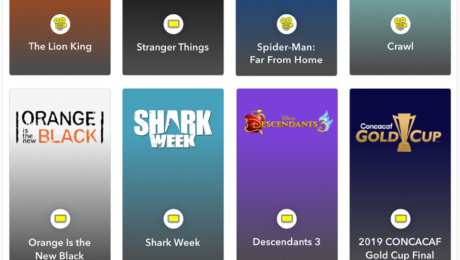
‘Snap Chatter’ monthly report, which highlights all the key topics and trends that are seeing significant increases in mention volume among the app’s users.
And given Snapchat’s popularity with younger audiences, the Snap Chatter reports can be a great indicator of rising trends in general – the monthly listings include key topics of focus in different regions, trending entertainment, celebrities and catchphrases.
You can get a full rundown of each element on Snapchat’s business s
ite, or check out the infographic overview below.
Snapchat has released the latest version of its
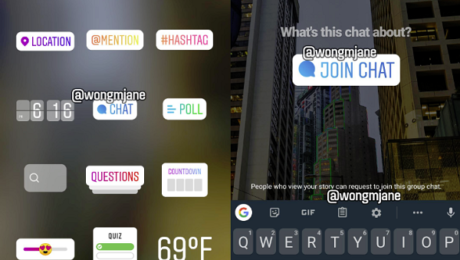
It seems that it’s not only Facebook’s main app that’s putting more focus on private groups – over on Instagram, reverse engineering expert Jane Manchun Wong has uncovered a new ‘Join Chat’ sticker option which would enable Stories viewers to join a private chat group, direct from a Story.
As you can see here, the ‘Join Chat’ sticker prompts the user to add a note on what the chat is about, with the lower note saying: ‘People who view your story can request to join this group chat’.
Along with Facebook more broadly, Instagram has been putting increased emphasis on messaging, with more than half of the app’s users now also using Instagram Direct. Instagram Direct has also proven to be a strong driver of engagement and connection on the platform, with around 85% of the messages shared on Instagram distributed among the same three friends, as opposed to broader groups. 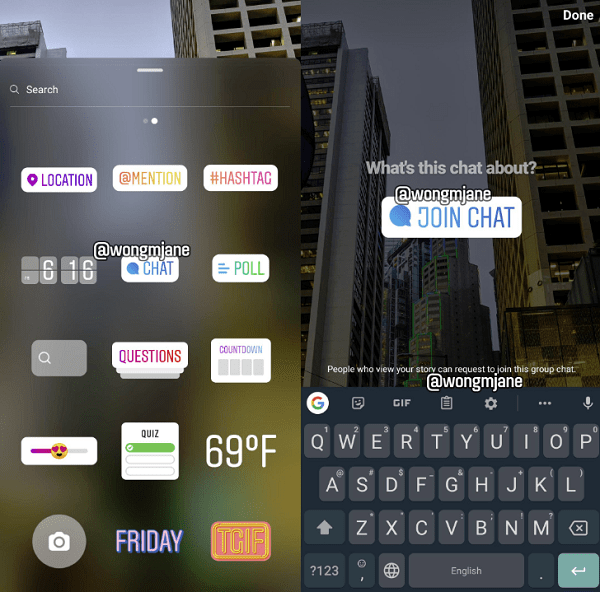
This new option looks to put more emphasis on this, prompting private group discussion and sharing, which aligns with the above-noted trends, while also sparking interest in yet another aspect of the Instagram experience.
For brands, if this is indeed launched, it could provide another way to build stronger community connection, and bring your biggest advocates closer by sharing exclusive content and/or seeking consultation. That could be particularly helpful on Instagram, given the power of influencer marketing on the platform – if you can build stronger connection with your top followers, that could give your brand building efforts a significant boost.
There’s no word as yet from Instagram as to whether this feature will be released, but we’ll keep you updated as we hear.
Follow Andrew Hutchinson on Twitter
In its recent quarterly update, Microsoft, the parent company of LinkedIn, reported that the professional social network continues to see ‘record levels of engagement‘, with on-platform sessions growing by 24%.
LinkedIn engagement has been on the rise for some time – but where, exactly, is that growth coming from and what types of content are generating more interest on the site?
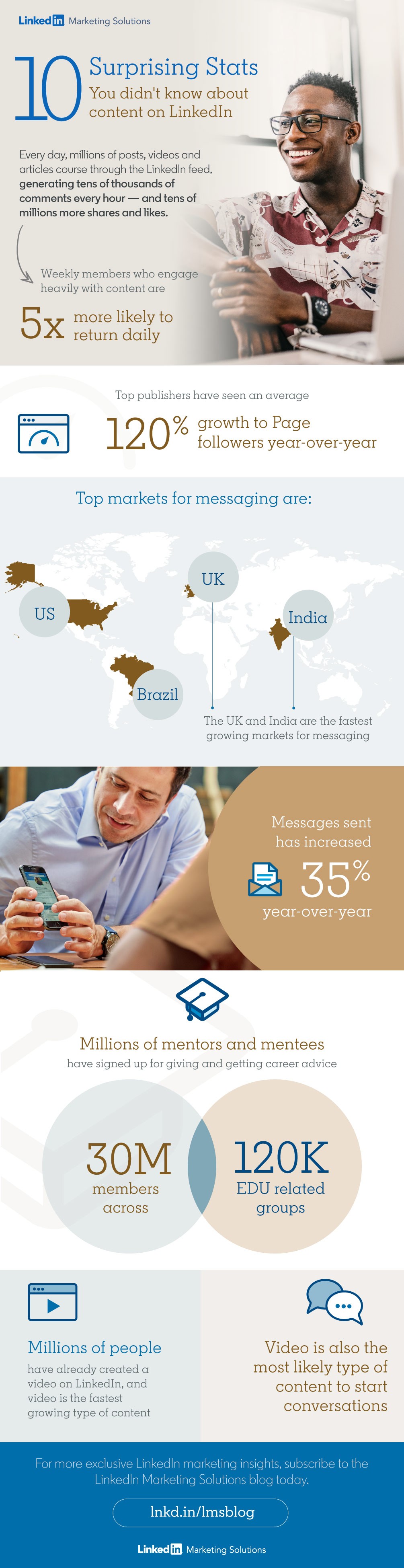
Delving deeper into this, LinkedIn has published a new infographic, which outlines a range of updated engagement stats, which may help you better plan your platform strategy.
Among the data points listed:
After recently launching a new Interest Targeting option for LinkedIn ads, which is based on the content people engage with on the platform, LinkedIn is now broadening its ad targeting toolset even further, with the addition of three new options to help hone in on your specific target audience.
The three new options being launched are ‘lookalike audiences’, ‘audience templates’, and the addition of Microsoft Bing search data to beef up interest targeting. Here’s how each will work.
Digiday reported back in January that LinkedIn was working on its own variation of Lookalike Audiences, and now, LinkedIn has officially confirmed the addition.
As per LinkedIn:
“LinkedIn’s lookalike audiences combine the traits of your ideal customer with our rich member and company data to help you market to new professional audiences similar to your existing customers, website visitors and target accounts. Since these members are already on LinkedIn, they’re in the right professional mindset to engage and respond to your brand.”
Similar to how the process works on other platforms, Lookalike Audiences will enable you to upload an email list from your CRM, for example, or a list of people who have visited your website, then LinkedIn’s system will match those details against its database to come up with a new audience of users who share similar traits.

Lookalike audiences have proven highly effective on other platforms, taking some of the effort out of identifying and focusing on the right audience. If the system is able to detect relevant, similar traits, this can be a great way of reaching new people who are likely to be interested in your offerings.
This may actually be even more potent on LinkedIn, as it will be able to detect new user segments based on job title and position information, which could help ensure you get your ads in front of the exact right decision makers, and capitalize on industry trends and shifts.
LinkedIn says that the option has proven effective in its initial trials:
“Customers in our pilot were able to improve their campaign reach by 5-10x while still reaching the kind of high-quality audiences that matter most to their organizations.”
This could become a key consideration for all LinkedIn ad campaigns.
Audience Templates, meanwhile, aim to make it easier for people who are less certain about their target market, or have less training data to go on, to reach relevant users on the platform.

As you can see here, the Audience Templates option – shown on the right of the screenshot – will enable advertisers to search for a market segment that relates to their offering. You just enter in the type of people you’re trying to reach and LinkedIn will provide a match based on its system detail.
At this stage, there are around 20 predefined B2B audiences to choose from, though LinkedIn notes that is expanding.
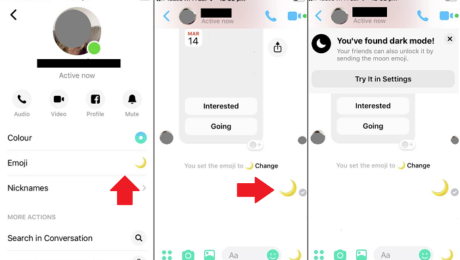
After testing it out for the last few months, Facebook is now rolling out its new ‘Dark Mode’ for Messenger – but they’ve hidden the function, Easter egg style, behind an in-app emoji trick.
Here’s how you can activate the new function – and a disclaimer, this may not be available to all users as yet (I tried it on two devices, on one, it worked, on the other it didn’t).
First, ensure the Messenger app on your device is updated to the latest version.
Next, go into any chat and head into that specific conversation’s settings by tapping on the name of the person, or people, in the discussion at the top of your Messenger window.
Within the chat settings, change the chat emoji to the moon image. Now, head back into the chat and send the same moon emoji as a message.

For some users, this is enough to activate Dark Mode (you can see the prompt in the third screenshot above noting that ‘You’ve found dark mode’), but for others, you may have to actually double-tap the moon emoji within the chat. I had to tap on the moon emoji a few times – eventually, it sparked a flood of moons falling down the screen, then the dark mode prompt appeared.
Once you’ve ‘found’ dark mode, you can tap on the prompt to head to settings and activate it.

As noted, this may or may not be active for all users at this stage – some are saying it’s not active for them, and as noted, I tried it on a couple of devices with differing results.
Either way, it likely does mean that Facebook will roll out dark mode to all users soon, not just those who know this trick. Facebook first previewed Messenger dark mode as part of its broader app revamp announcement last May, while code hacker Jane Manchun Wong shared screenshots of the option in development back in October.